
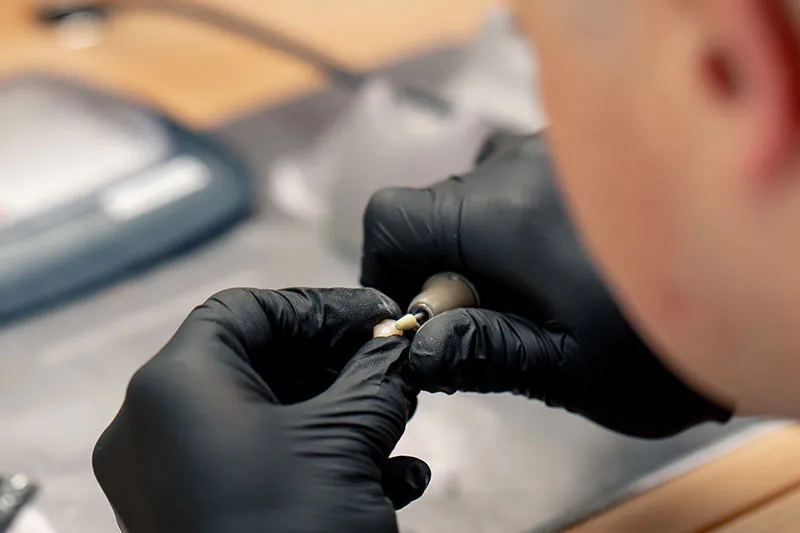
Dental implants can provide a stable, natural-looking way to replace missing teeth, but getting a dental implant is a process rather than a single appointment. If you're considering dental implants in Sioux Falls, understanding the dental implant recovery process can help you know what to expect at each stage, from the initial consultation and implant placement to healing and the final restoration.
At Kusek Family & Implant Dentistry, dental implants have been an important part of the practice for decades. Dr. Edward Kusek began placing and restoring dental implants in 1987 and has continued advanced education in implant dentistry throughout his career. The practice provides both implant placement and restoration, allowing patients to receive comprehensive implant care in one dental office.
What Are Dental Implants?
A dental implant is a tooth replacement system designed to replace a missing tooth from the root up.
A typical dental implant consists of three main components:
- Implant post: A small titanium post placed into the jawbone to act as an artificial tooth root.
- Abutment: A connector attached to the implant after healing.
- Crown: The custom-made artificial tooth that attaches to the abutment and restores the visible portion of the missing tooth.
Because the implant is anchored in the jawbone, it can provide a stable foundation for a replacement tooth.
Dental implants can be used to replace a single missing tooth, multiple teeth, or support certain full-arch tooth replacement solutions.
What Is the Dental Implant Process Like?
The exact process varies from patient to patient, but dental implant treatment generally involves several stages.
Step 1: Your Implant Consultation
The first step is determining whether dental implants are appropriate for you.
During a consultation, your dentist will evaluate your oral health, the missing tooth or teeth, your gums, jawbone, bite, and overall treatment needs.
Advanced imaging may be used to evaluate the bone and plan implant placement. Kusek Family & Implant Dentistry uses 3D digital X-ray technology to support accurate diagnosis and treatment planning.
The practice also offers free implant consultations, giving prospective patients an opportunity to discuss tooth replacement options.
Step 2: Preparing for Implant Placement
Some patients can proceed directly to implant placement, while others may need additional treatment first.
For example, a patient may need a tooth removed, treatment for gum disease, or a bone-grafting procedure before an implant can be placed.
Your dentist will explain whether anything needs to happen before surgery and how that could affect your timeline.
Step 3: Implant Placement
During implant placement, the dental implant post is surgically positioned in the jawbone.
The gum tissue is then allowed to heal around the implant while the implant begins bonding with the surrounding bone.
This process is called osseointegration.
At Kusek Family & Implant Dentistry, the practice notes that the bone typically bonds with the implant over approximately three to six months.
That healing period is one of the most important stages of the entire dental implant process.
Step 4: Abutment and Final Restoration
Once the implant has successfully integrated with the jawbone, you'll return to the office for the next stage.
The abutment is attached to the implant and provides the connection between the implant post and the final restoration.
Kusek Family & Implant Dentistry uses digital scanning to capture the implant's position and coordinates the fabrication of a custom abutment and crown. The completed crown is designed to restore the appearance and function of the missing tooth.
What Is Dental Implant Recovery Like?
Recovery after implant placement is different for everyone. Many patients experience some degree of soreness, swelling, or tenderness around the surgical site. These symptoms are generally most noticeable during the first few days and gradually improve as healing progresses.
Dr. Kusek and his team will provide specific aftercare instructions based on your procedure. The most important thing you can do is follow those instructions closely.
What Can I Eat After Dental Implant Surgery?
Your dentist may recommend a soft-food diet for a period of time after implant placement.
Depending on your procedure and healing, appropriate foods may include:
- Yogurt
- Eggs
- Smoothies
- Mashed potatoes
- Soft vegetables
- Applesauce
- Oatmeal
- Soft pasta
- Soups that aren't excessively hot
Avoid chewing directly on the surgical area unless your dentist tells you it is safe to do so.
As your mouth heals, your dentist will let you know when you can gradually return to your normal diet.
How Can You Help Your Dental Implant Heal?
Your body's ability to heal is an important part of implant treatment. Following your dentist's instructions can help support a smoother recovery.
Follow Your Post-Operative Instructions
Your dental team will provide instructions specific to your procedure. These may include guidance about medications, oral hygiene, diet, physical activity, and follow-up appointments.
Don't substitute general internet advice for the instructions given by the dentist who performed your procedure.
Keep the Surgical Area Clean
Good oral hygiene remains important during implant recovery, but you may need to modify how you clean around the surgical site initially.
Follow your dentist's instructions regarding brushing, rinsing, and cleaning around the implant.
Avoid Smoking or Tobacco
Smoking can interfere with healing and increase the risk of complications associated with dental implants.
If you smoke or use tobacco, talk with your dentist before implant surgery. They can discuss how tobacco use may affect your treatment and healing.
Don't Disturb the Surgical Site
It can be tempting to check the area with your tongue or fingers, but repeatedly touching or disturbing the site can interfere with healing.
Let the area heal rather than constantly checking it.
Take It Easy After Surgery
Your dentist may recommend limiting strenuous physical activity for a period after implant placement.
Follow the activity restrictions provided by your dental team, particularly during the first few days.
Keep Your Follow-Up Appointments
Follow-up visits allow your dentist to monitor healing and determine when you're ready for the next stage of treatment.
Don't skip these appointments simply because you feel fine.
Implant healing occurs beneath the gum tissue and isn't something you can fully evaluate on your own.
What Should You Avoid During Dental Implant Recovery?
Certain habits can make recovery more difficult or potentially interfere with healing.
Depending on your specific procedure, your dentist may advise you to avoid:
- Smoking and tobacco products
- Drinking through a straw immediately after surgery
- Very hot foods or beverages during the initial recovery period
- Hard, crunchy, or chewy foods around the surgical site
- Vigorous exercise immediately after surgery
- Touching or disturbing the surgical site
- Skipping prescribed medications or aftercare instructions
- Missing follow-up appointments
Your specific restrictions may differ depending on the type of implant surgery you have.
How Long Does Dental Implant Recovery Take?
There are really two timelines to consider.
First, there is the initial recovery from the surgical placement of the implant. This is when swelling, tenderness, and other immediate post-operative symptoms generally improve.
Second, there is the longer biological healing process called osseointegration. The implant needs time to bond securely with the surrounding jawbone before the final restoration can be placed.
At Kusek Family & Implant Dentistry, the practice explains that osseointegration typically takes about three to six months.
That doesn't mean you'll necessarily be uncomfortable for three to six months. The initial post-surgical recovery and the underlying bone-healing process are two different things.
What If I Need a Bone Graft?
Some patients don't have enough healthy bone to support an implant immediately.
Bone loss can occur after a tooth has been missing for an extended period, because the jawbone no longer receives the stimulation it once received from the tooth root.
If additional bone is needed, your treatment plan may include bone grafting before or during implant placement. This can extend the overall treatment timeline, but it may help create a stronger foundation for the implant.
Dr. Kusek can evaluate your bone levels using imaging and explain whether grafting is necessary in your situation.
When Can I Return to Normal Activities?
The answer depends on the extent of your procedure and how you're healing. Some people return to many normal daily activities relatively quickly, while others need more time to feel completely comfortable.
Your dentist will give you personalized instructions regarding work, exercise, diet, and other activities. Even if you feel well shortly after surgery, remember that the implant is still undergoing biological healing beneath the gum tissue.
What Are Signs Something May Be Wrong?
Some soreness and swelling can be a normal part of healing, but you should contact your dental office if you experience symptoms that concern you or are getting worse rather than better.
Contact our team at Kusek Family & Implant Dentistry f you experience:
- Severe or worsening pain
- Significant or increasing swelling
- Persistent bleeding
- Fever
- Pus or drainage
- A bad taste or odor that persists
- An implant that feels loose
- Difficulty opening your mouth
- Other unexpected symptoms
If you experience severe symptoms or an emergency involving breathing, swallowing, or significant facial swelling, seek urgent medical attention.
How Do You Care for Dental Implants After They Heal?
Once your implant has fully healed and your final restoration has been placed, your daily routine should continue to include excellent oral hygiene. Dental implants aren't susceptible to cavities in the same way natural teeth are, but the tissues around them still need protection.
Kusek Family & Implant Dentistry recommends caring for implants much like natural teeth: brushing and flossing regularly and maintaining routine dental visits. Dr. Kusek may also recommend specific tools for cleaning around your implant depending on your restoration and gum health.
Can Dental Implants Last a Long Time?
Dental implants are designed to be a long-lasting tooth replacement option. Kusek Family & Implant Dentistry notes that implants can last for decades with proper care. Oral hygiene, regular dental visits, diet, habits, and the health of the tissues around the implant can all influence long-term success.
Taking care of your implant doesn't stop once the surgical recovery is over. Long-term maintenance matters, too.
How Can You Make the Dental Implant Process Easier?
While you can't completely control how quickly your body heals, you can take steps to support the process.
Before and after implant placement:
- Follow your dentist's instructions carefully.
- Keep all scheduled appointments.
- Maintain good oral hygiene.
- Eat nutritious foods that support healing.
- Stay hydrated.
- Avoid smoking and tobacco.
- Avoid putting unnecessary pressure on the surgical area.
- Take medications exactly as directed.
- Tell your dentist about medical conditions or medications that could affect healing.
- Contact the office if something doesn't seem right.
Being proactive and communicating with your dental team can help prevent small concerns from becoming larger problems.
Why Choose Kusek Family & Implant Dentistry for Dental Implants?
Dental implant treatment requires careful planning, surgical placement, restoration, and long-term maintenance.
At Kusek Family & Implant Dentistry in Sioux Falls, Dr. Edward Kusek has been placing and restoring dental implants since 1987 and has extensive advanced training in implant dentistry. The practice offers comprehensive implant care, including implant placement, custom abutments, and crowns, as well as 3D digital imaging to support treatment planning.
Having implant-related services available through one practice can make the overall process more convenient and coordinated.
Start Your Dental Implant Journey in Sioux Falls
If you're missing one or more teeth, you don't have to settle for living with an incomplete smile or an uncomfortable tooth replacement. Dental implants can provide a stable, natural-looking solution, but the best way to determine whether they're right for you is through a personalized consultation.
Kusek Family & Implant Dentistry in Sioux Falls, SD, offers free implant consultations and comprehensive implant placement and restoration. With more than 40 years serving the Sioux Falls area and decades of implant experience, our skilled team can evaluate your oral health, discuss your options, and develop a treatment plan around your needs.
If you're ready to explore dental implants in Sioux Falls, schedule a consultation with Kusek Family & Implant Dentistry and take the first step toward restoring your smile.

Leave a Reply