
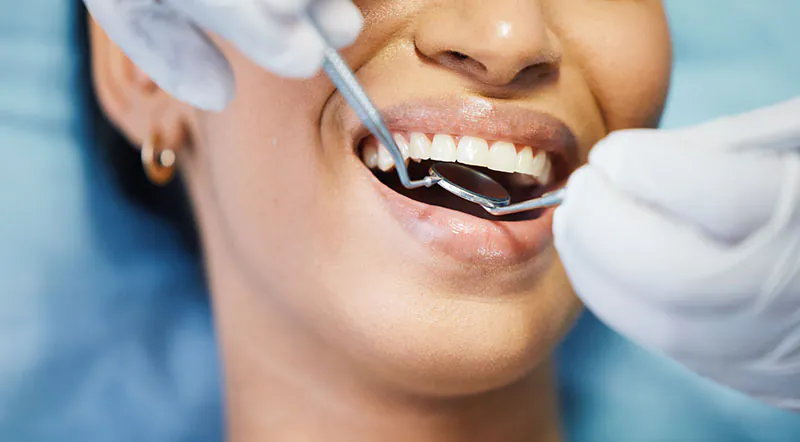
It's easy to think of going to the dentist as something you need to do when you have a toothache or notice a problem. But dental care isn't just about treating issues after they develop. Preventive dentistry focuses on maintaining your oral health and identifying potential concerns before they become more complicated.
From routine examinations and professional cleanings to daily brushing and flossing, prevention involves a combination of professional care and habits you practice at home.
At Kusek Family & Implant Dentistry, preventive dentistry is an important part of helping patients maintain healthy teeth and gums at every stage of life.
What Is Preventive Dentistry?
Preventive dentistry includes the services and daily habits designed to help protect your teeth, gums, and overall oral health.
Professional preventive care may include:
- Routine dental examinations
- Professional dental cleanings
- Digital X-rays when appropriate
- Fluoride treatments when recommended
- Oral cancer screenings
- Periodontal evaluations
- Dental sealants for appropriate patients
- Personalized oral hygiene guidance
Your preventive care plan isn't necessarily the same as someone else's. Your dentist can recommend an appointment schedule and preventive treatments based on factors such as your age, oral health, dental history, and risk of developing certain conditions.
Why Is Preventive Dentistry So Important?
It Can Help Catch Problems Early
Some dental problems don't cause noticeable symptoms when they first develop. A small cavity, early gum disease, or another oral health concern may not hurt at all.
Regular examinations allow your dentist to identify these changes before they have the chance to become more extensive or costly.
It Helps Protect Your Gums
Preventive dentistry isn't just about your teeth. Professional cleanings and periodontal evaluations can help identify and manage gum inflammation and periodontal disease.
Healthy gums are essential because they provide support for your teeth.
It Can Help Prevent More Extensive Dental Problems
Keeping plaque and tartar under control and addressing small concerns early may help reduce the likelihood of needing more involved treatment later.
For example, treating a cavity while it's small may require a simpler restoration than waiting until the tooth becomes severely damaged.
Prevention can't eliminate every dental problem, but it can help you stay ahead of many common concerns.
It Helps You Maintain Your Smile Long-Term
Your natural teeth are designed to last a lifetime, and preventive care can help you protect them. Regular examinations, professional cleanings, and good home care all contribute to maintaining your oral health over time.
Preventive care also allows your dentist to monitor changes in your oral health from one visit to the next.
What Does Preventive Dentistry Look Like at Home?
Your dental visits are only part of prevention. What you do between appointments matters, too.
A good daily routine includes:
Brush twice a day. Use a soft-bristled toothbrush and fluoride toothpaste, spending about two minutes cleaning all accessible tooth surfaces.
Clean between your teeth daily. Floss, use interdental brushes, or choose another method recommended by your dental professional to remove plaque from areas your toothbrush can't effectively reach.
Be mindful of your diet. Limiting frequent exposure to sugary and acidic foods and drinks can help protect your teeth.
Don't use your teeth as tools. Opening packages or biting hard objects can lead to chips and fractures.
Pay attention to changes. If you notice bleeding gums, tooth sensitivity, persistent bad breath, pain, swelling, or a change in a tooth, contact your dentist rather than waiting for your next routine appointment.
What Happens During a Preventive Dental Visit?
A routine appointment generally involves more than simply cleaning your teeth.
Your dental team may examine your teeth and gums, check for signs of decay or periodontal disease, evaluate existing restorations, and perform other screenings as appropriate. X-rays may be recommended when they're clinically necessary to assess areas that can't be seen during a visual examination.
Your hygienist can also remove plaque and tartar buildup and provide personalized advice about brushing and cleaning between your teeth.
These visits create an opportunity to discuss concerns you may have noticed and make adjustments to your home-care routine.
How Often Should You Have a Dental Checkup?
There's no single schedule that's appropriate for every patient. Some people may benefit from routine visits twice a year, while others may need to visit more frequently because of gum disease, a higher risk of tooth decay, certain medical or dental conditions, or other factors.
Your dentist can recommend a schedule based on your individual oral health needs.
The important thing is to maintain the schedule recommended for you rather than waiting until something hurts.
Prevention Is an Investment in Your Oral Health
Preventive dentistry may seem simple—brush, floss, have your teeth cleaned, and visit your dentist regularly—but these habits can make a significant difference over time.
Prevention doesn't mean you'll never develop a cavity, gum disease, or another dental problem. Instead, it allows you and your dental team to monitor your oral health, identify changes early, and address concerns before they potentially become more complicated.
Where Can You Get Preventive Dental Care?
Finding a dental office you trust can make it easier to stay consistent with preventive care. A dental team can help you establish an appropriate schedule for examinations and cleanings while providing recommendations tailored to your smile.
At Kusek Family & Implant Dentistry, we're here to help you maintain your oral health through every stage of life. Whether you're due for a routine cleaning or have questions about your current oral hygiene routine, we're happy to help.
Ready to make preventive dental care a priority? Contact Kusek Family & Implant Dentistry to schedule your next preventive care appointment.

Leave a Reply